Preventing Blocked Drains in Weltevredenpark: A Guide to Local Infrastructure Challenges
Blocked drains are one of the most disruptive plumbing problems a homeowner can face, and in Weltevredenpark, the causes run deeper than a simple buildup of hair or soap scum. The suburb’s mature tree canopy, clay-heavy soil, and ageing underground pipe networks create a combination of pressures that few other parts of Gauteng experience to the same degree. This guide explains the specific reasons why drains in this area block so frequently, and what you can do to stay ahead of the problem before it turns into a costly repair.
Why Drains in Weltevredenpark Block More Often Than Elsewhere
Residents who have lived in the suburb for any length of time will recognise the pattern: a slow-draining basin here, a gurgling toilet there, and then a full blockage that arrives at the worst possible moment. The frustration is understandable, but the causes are not random. They are rooted in the physical and structural realities of an established West Rand neighbourhood.
Weltevredenpark sits within a corridor of older residential development stretching from the Northcliff ridge westward toward the Clearwater Mall area. The infrastructure beneath these streets reflects decades of gradual construction, renovation, and extension. Original pipe runs often sit alongside modern additions, and the joins between old terracotta or early PVC piping and contemporary materials are frequent points of weakness that worsen quietly over time.
Environmental Factors: Tree Roots and Seasonal Rainfall
The Tree Root Problem in Established Gardens
The leafy character of Weltevredenpark is one of its most valued features. The mature trees lining residential streets and filling private gardens are, however, a persistent threat to underground drainage infrastructure. Tree roots follow moisture, and a hairline crack in an ageing pipe presents exactly the kind of entry point a root system seeks out.
Once a root penetrates a pipe, it does not stay small. Over time, it expands, collects debris, and creates a partial or total obstruction. By the time the blockage becomes visible at a drain or manhole, the root intrusion is typically well established and requires more than a basic rod to clear. This is one of the most common findings on our service calls across Weltevredenpark and the broader West Rand.
Root intrusion is also one of the harder faults to diagnose without specialist equipment. A camera inspection of the line is often the only way to confirm what is causing a recurring blockage, particularly when surface-level clearing provides only temporary relief. Our CCTV drain inspection service locates root intrusion and pipe damage at their precise source, without unnecessary excavation or guesswork.
Heavy Seasonal Rain and Stormwater Overload
Gauteng’s summer storm season places significant stress on suburban drainage systems. In established neighbourhoods, stormwater and sewer lines sometimes run in close proximity, and older connections are not always adequately sealed. When heavy rain saturates the ground rapidly, it can enter sewer lines through cracked or misaligned joints, overwhelming the system and causing backups into homes.
Scheduling a pre-summer drain check is one of the most cost-effective things a homeowner in this area can do. A clear, well-maintained drain handles storm conditions far more effectively than one already partially obstructed with organic buildup or root matter. If you want to get ahead of the rainy season, send us a WhatsApp and we can arrange a convenient inspection time.
Infrastructure Age and West Rand Soil Conditions
The clay-heavy soil composition common across much of the West Rand is a significant factor in long-term drain health. Clay soil swells when wet and contracts when dry. This movement, repeated across many wet and dry seasons, places lateral stress on underground pipes and causes gradual shifting and misalignment at joints.
A pipe that has shifted even a few degrees begins to lose gradient. Without a consistent fall, wastewater slows down, organic matter settles, and blockages form. This process is invisible from the surface and often goes undetected until a full blockage or, in more serious cases, a pipe collapse occurs. According to the CSIR Guidelines for Human Settlement Planning and Design, proper gradient and joint integrity are foundational requirements for functional residential sanitation systems, and both are at risk in ageing installations on unstable soils.
The mix of original residential layouts and more recent renovations compounds this issue. When a newer extension ties into an older drain run, the connecting joints are a common failure point, particularly where ground movement has already shifted the original pipe slightly off its designed fall.
Common Internal Culprits: FOG, Wipes, and Everyday Habits
Fats, Oils, and Grease in Kitchen Lines
Fats, Oils, and Grease, collectively known as FOG, are responsible for a significant proportion of kitchen drain blockages. When hot cooking fat is poured down a sink, it travels a short distance in liquid form before cooling, solidifying, and adhering to the interior wall of the pipe. Over weeks and months, this layer thickens until the effective diameter of the pipe is severely reduced.
This is not a problem exclusive to restaurants or commercial kitchens. Household cooking habits, particularly in homes where multiple meals are prepared daily, produce enough FOG accumulation to create a serious obstruction within a single year of neglect. The fix is straightforward: cool the fat, scrape it into a sealed container, and put it in the bin.
The “Flushable” Wipe Misconception
Products labelled as flushable wipes do not break down in water at the same rate as toilet paper. In modern, high-pressure flush systems, they may travel far enough to appear harmless. In older sewer designs with lower flush volumes or reduced gradient, they gather at bends and obstructions, binding with FOG and other debris to form dense blockages that resist simple plunging.
The Plumbing Industry Registration Board outlines the health and structural risks associated with neglected drain systems, including the disease and property damage risks that follow when these blockages are left unaddressed. The guidance is consistent: non-biodegradable items belong in the bin, not the sewer.
Preventative Maintenance Steps Every Homeowner Can Take
The most effective approach to drain health is consistent, low-effort maintenance rather than reactive repairs. The following steps are practical and directly relevant to the conditions in Weltevredenpark and the surrounding West Rand suburbs.
- Fit high-quality drain strainers in all basin, bath, and shower drains. Catching hair and food particles at the point of entry prevents them from entering the main line where they are far harder to remove.
- Apply enzymatic drain treatments monthly to kitchen and bathroom lines. Bio-enzyme products introduce beneficial bacteria that break down organic matter before it hardens into a clog. They are safe for older pipes and do not damage pipe joints or seals.
- Dispose of cooking fat in the bin, not the sink. Allow fat to cool and solidify in the pan, then scrape it into a sealed container for disposal with solid waste.
- Keep external drainage gullies clear of garden debris, leaf litter, and soil buildup. A blocked gulley during a summer downpour can cause surface flooding and potential water ingress into the structure.
- Avoid flushing non-biodegradable items, including wet wipes, cotton buds, and sanitary products, regardless of how they are labelled on the packaging.
- Monitor slow drains early. A drain that takes noticeably longer to empty than it did six months ago is signalling a developing blockage. Addressing it at this stage is far less costly than waiting for a full obstruction.
Homeowners who want to understand the full scope of their obligations can also review the City of Johannesburg Water Services By-laws, which set out the responsibilities of property owners to maintain their private drainage installations and ensure they do not cause harm to the municipal reticulation system.
When Professional Intervention Is the Right Choice
Home maintenance goes a long way, but it has limits. When a blockage is located in the main sewer line, when root intrusion is suspected, or when a drain is backing up despite repeated clearing attempts, the situation calls for professional assessment rather than further DIY effort.
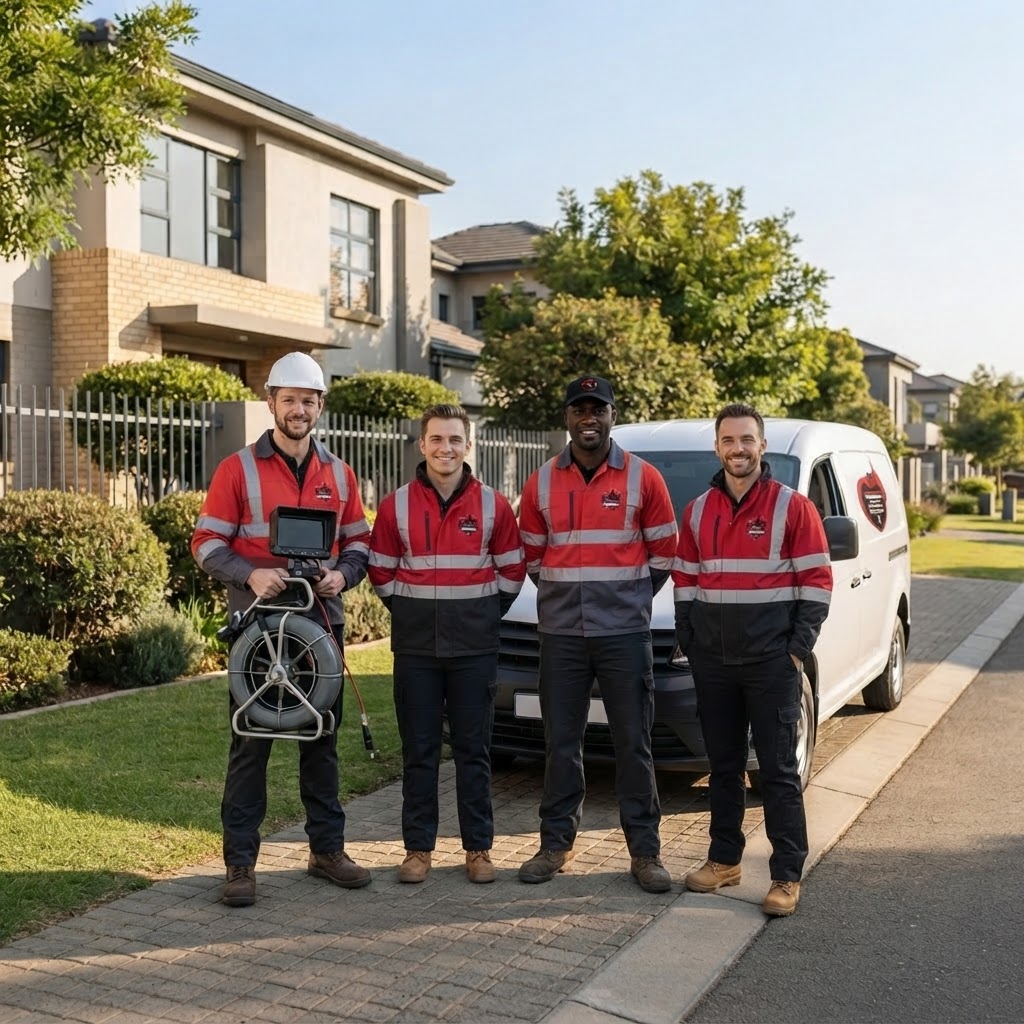
We use CCTV camera technology to locate the precise source and nature of a fault without unnecessary excavation. A camera inserted into the drain line provides a real-time view of pipe condition, identifying root intrusion, pipe collapse, joint displacement, or accumulated blockages at their exact location. This targeted approach means repairs are carried out where they are needed, and nothing is disturbed unnecessarily.
All work we carry out is performed in accordance with SANS standards as guided by the Institute of Plumbing South Africa’s industry standards, ensuring that any repair or maintenance work meets South Africa’s national regulatory benchmarks for drainage and sanitation.
If you have noticed recurring slow drainage or a drain that clears temporarily but blocks again within days, our professional drain cleaning service gives you a proper diagnosis before the problem escalates into something more serious and more expensive.
Emergency Situations Versus Routine Maintenance
Knowing the difference between a slow drain and a plumbing emergency helps homeowners make informed decisions and avoid unnecessary call-out costs. A single slow-draining basin or a slightly gurgling toilet typically indicates a developing blockage in a branch line. These situations benefit from professional attention and can usually be scheduled during normal working hours.
A sewage backup into the home, an overflowing external manhole, or a complete loss of drainage across multiple fixtures simultaneously is an emergency. These situations carry a direct health risk and can cause significant structural damage if not addressed immediately. We provide round-the-clock emergency plumbing assistance for exactly these scenarios, ensuring that West Rand homeowners are not left without recourse when a serious failure occurs outside of business hours.
The practical takeaway is this: routine maintenance prevents emergencies. A home whose drains are inspected and cleaned on a scheduled basis is far less likely to experience the kind of sudden, complete failure that requires an emergency call-out. The cost of prevention is consistently lower than the cost of crisis response.
Key Takeaways
- Weltevredenpark’s mature tree canopy creates a persistent risk of root intrusion into ageing underground pipes.
- Clay-heavy West Rand soil shifts seasonally, causing pipe misalignment and reduced gradient over time.
- FOG accumulation in kitchen lines and non-biodegradable wipes in toilet lines are the two most common internal causes of blockages in residential properties.
- Monthly enzymatic treatments, drain strainers, and responsible disposal habits significantly reduce the frequency of blockages.
- CCTV drain inspections allow for accurate, non-invasive diagnosis of faults deep within a drainage system.
- All drainage maintenance should comply with SANS standards and the City of Johannesburg Water Services By-laws.
- Scheduling a pre-summer drain inspection is one of the most cost-effective steps a homeowner in this area can take.
Protecting Your Property Over the Long Term
The drainage challenges in Weltevredenpark are real, but they are manageable with the right knowledge and a consistent approach to maintenance. Understanding that your pipes face specific pressures from the local soil, the tree cover, and the age of the infrastructure puts you in a far stronger position than relying on reactive repairs alone. A property that is maintained proactively holds its value better, avoids the kind of structural damage that blocked and collapsed drains cause, and gives homeowners a cleaner picture of what lies beneath their gardens and floors.
We are committed to offering homeowners across the West Rand the professional guidance and technical expertise needed to protect their properties for the years ahead. Whether you need a routine inspection, a drain clearing, or a full CCTV assessment of an older pipe system, call us and we will arrange a convenient time to assess your plumbing and give you a clear picture of where things stand.