- June 24, 2026
Sandton Geyser Compliance
Sandton Geyser Compliance: What Homeowners Should Know Before Replacement
Replacing a geyser is not only a hot-water decision. It is a safety, compliance, access and documentation decision too.
In Sandton, geysers are often installed in very different property types: freestanding homes, apartments, townhouses, estates, office-adjacent buildings and sectional-title complexes. Some are easy to reach in garages or outside housings. Others sit above ceilings, inside cupboards, in service ducts or in shared building spaces where access, drainage and electrical work must be planned carefully.
When an old geyser leaks, bursts or stops heating, it is tempting to focus only on speed. The homeowner wants hot water back. The tenant wants the shower working. The body corporate wants water damage contained. But replacement is also the moment to ask whether the surrounding installation is safe, serviceable and compliant.
This guide explains the plain-language compliance questions to ask before geyser replacement in Sandton, without turning the process into a regulation lecture.
Compliance is about the whole installation, not only the cylinder
A geyser cylinder is only one part of the hot-water system. The installation also includes valves, pipework, drainage, overflow routes, supports, electrical supply, access, safety controls and documentation.
When a plumber replaces a geyser, they should look at the system around it. That matters because a new cylinder connected to an old, unsafe or incomplete setup can still create risk.
Before replacement, ask:
- Is the geyser correctly supported?
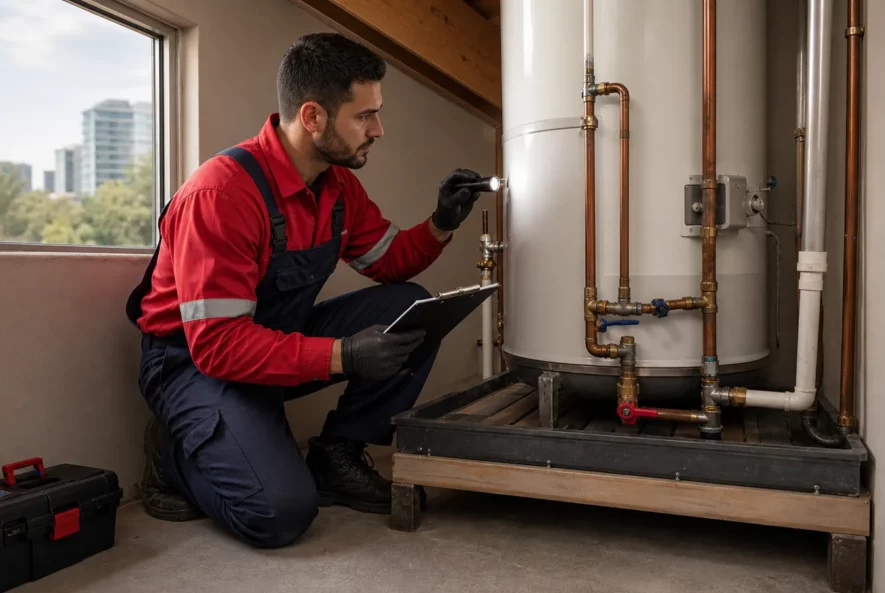
- Is there a suitable drip tray where required?
- Does overflow water discharge safely outside?
- Are the safety valves present and correctly arranged?
- Are pressure controls suitable for the system?
- Are vacuum breakers installed where needed?
- Can the geyser and valves be accessed for future maintenance?
- Is the support or mounting suitable for the filled weight of the geyser?
- Are hot-water pipes insulated where appropriate?
- Is the electrical work handled by the correct professional?
- Will the homeowner receive the right documentation after completion?
These questions help separate a proper replacement from a rushed swap-out.
Why Sandton properties need careful geyser planning
Sandton properties often have higher expectations around finishes, access control, water-damage prevention and documentation. In an apartment or townhouse, one geyser leak can affect ceilings, cupboards, neighbours, lifts, corridors or shared building services. In a large home, the geyser may serve multiple bathrooms, long pipe runs or high-demand fixtures. In an office-adjacent building, access windows and water shut-offs may need to be coordinated with occupants.
That is why the replacement plan should consider:
- Where the geyser is installed.
- Whether there is safe access for removal and installation.
- Whether ceiling boards, cupboards or access panels need protection.
- How leak or overflow water exits the building.
- Whether body corporate or estate rules apply.
- Whether contractor access, IDs, parking, lifts or work-hour rules need to be arranged.
- Whether insurer documentation may be needed.
- Whether the new geyser size suits the household or unit.
- Whether solar, gas or electric upgrade questions should be discussed before work starts.
For local inspection and advice, use a qualified plumber in Sandton who understands the practical realities of Sandton homes, complexes and managed buildings.
Question 1: Is replacement necessary, or is repair still sensible?
Not every geyser problem means immediate replacement. Some faults can be repaired if the cylinder is still sound and the installation is safe.
Repair may be sensible when:
- The issue is a thermostat, element or replaceable valve.
- The cylinder is not leaking.
- The geyser is not very old.
- There are no corrosion or rust signs.
- The same fault has not returned repeatedly.
- The installation is broadly safe and accessible.
Replacement becomes more likely when:
- The cylinder itself is leaking.
- The geyser has burst or caused ceiling damage.
- Rust or corrosion is visible.
- Hot water problems keep returning.
- The unit is old and inefficient.
- The repair cost no longer makes sense.
- The surrounding installation needs major compliance work anyway.
If you are unsure, start with geyser repairs in Sandton so a plumber can confirm whether repair or replacement is the better route.
Question 2: Is the geyser size still right for the property?
Replacement is a chance to check whether the current geyser still suits the property.
A Sandton apartment with one or two occupants may not need the same capacity as a family home with multiple bathrooms. A home that has added a second bathroom, rainfall shower, larger bath or rental cottage may now use more hot water than the old geyser was selected for. On the other hand, oversizing can increase energy use and running costs.
Before replacing like-for-like, ask:
- How many people use hot water daily?
- How many bathrooms does the geyser serve?
- Are showers used at the same time?
- Has the household changed since the old unit was installed?
- Does the geyser serve a kitchen, laundry or staff accommodation?
- Would a solar or alternative system be worth discussing?
The goal is not automatically to install the biggest unit. The goal is to match capacity, pressure and usage honestly.
Question 3: Is the drip tray and overflow route correct?
A drip tray is not decorative. It is part of water-damage control.
Where a geyser is installed above a ceiling or in a place where leaks could damage the building, the drip tray should catch water and direct it safely away. The overflow pipe should lead outside or to an approved discharge point where water can be noticed, not hidden in a ceiling void.
Before replacement, ask:
- Is there a drip tray?
- Is it large enough and correctly positioned?
- Does it drain freely?
- Does the overflow route lead outside the building?
- Can the discharge point be seen if something goes wrong?
- Is the pipe supported and sloped so water does not sit inside it?
If the old geyser has been leaking into a ceiling, cupboard or slab instead of through a visible overflow, that is a warning sign. Replacement should correct the water path, not repeat the same risk.
Question 4: Are the safety valves and pressure controls correct?
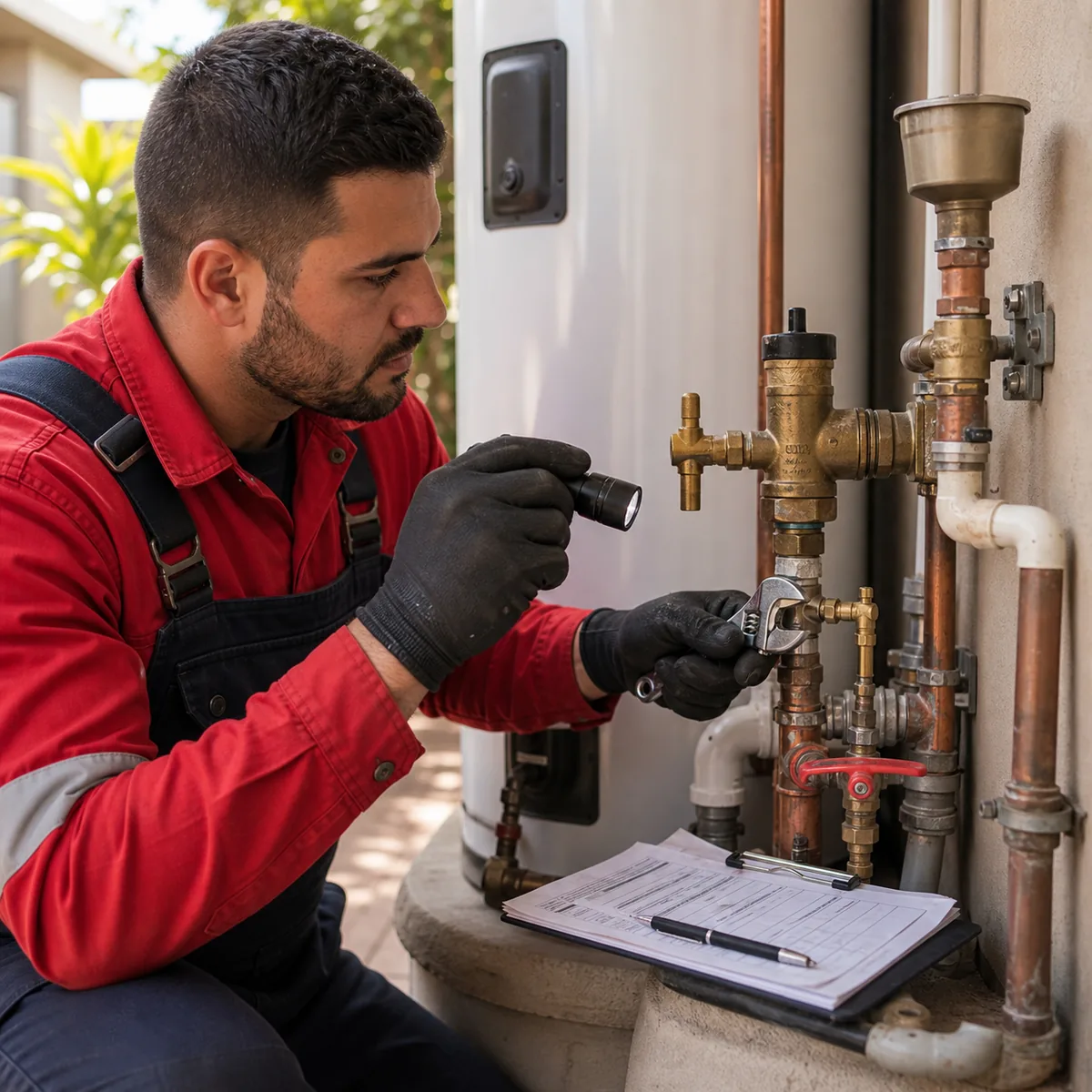
Geysers heat water under pressure. Safety valves and pressure controls help the system deal with expansion, pressure changes and abnormal conditions.
The homeowner does not need to memorise the technical layout, but they should know what to ask:
- Is the temperature and pressure relief valve present and suitable?
- Is the pressure control valve suitable for the system?
- Are expansion or safety discharges piped safely?
- Are vacuum breakers installed where required?
- Are old, corroded or mismatched valves being reused?
- Are the valve ratings compatible with the geyser?
Cheap replacement jobs often cut corners by leaving questionable old valves in place or ignoring pressure issues. That can create leaks, nuisance overflow, premature failure or unsafe operation.
A proper geyser installation in Sandton should check the controls around the cylinder, not only lift a new tank into place.
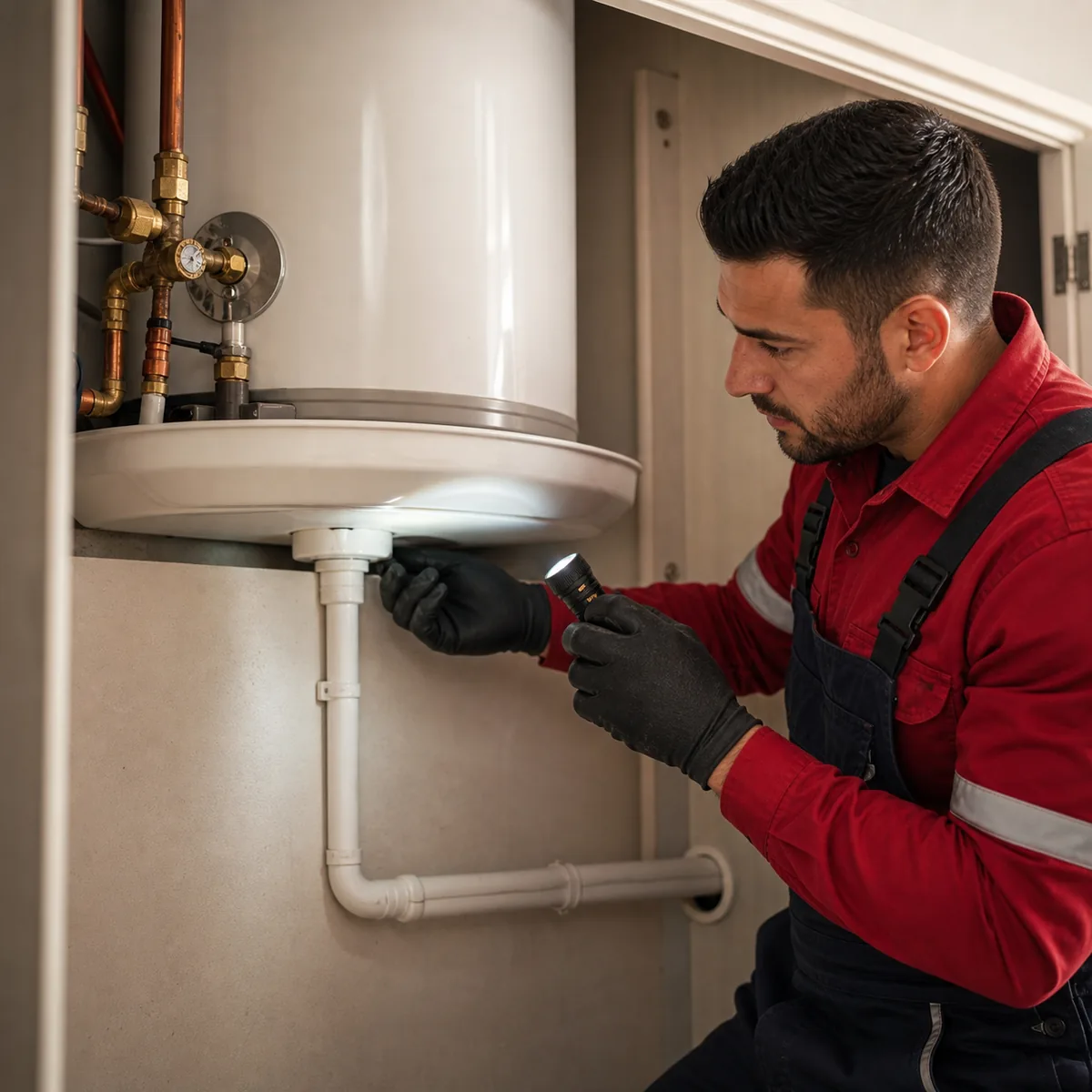
Question 5: Can the geyser be accessed and serviced later?
Compliance and good workmanship both care about access. A geyser that cannot be maintained properly becomes a future problem.
In Sandton apartments and townhouses, geysers may be hidden in ceilings, service ducts or tight cupboards. In larger homes, they may be placed in roof spaces with limited crawl height or awkward entry points. If technicians cannot access valves, pipes and the cylinder safely, even a simple repair becomes disruptive.
Before replacement, ask:
- Can the old geyser be removed without damaging finishes?
- Can the new unit fit through the access opening?
- Can valves and unions be reached later?
- Is there enough working space for inspection?
- Will the body corporate need to approve access?
- Should an access panel be improved during replacement?
Do not let a neat cupboard or ceiling hatch become a trap that makes future maintenance impossible.
Question 6: Is the geyser properly supported?
A filled geyser is heavy. The support structure matters whether the unit is mounted in a roof space, cupboard, garage, wall bracket or dedicated platform.
Before replacement, ask:
- Is the existing platform, bracket or support still sound?
- Is there any water damage around the old support?
- Will the new geyser be the same size and weight as the old unit?
- Does the installation allow safe access without damaging ceilings or cupboards?
- Will pipework be secured so it is not carrying weight or strain?
Support is easy to overlook during a rushed replacement. It should be checked before the new cylinder is installed.
Question 7: What documentation should be issued?
Documentation matters for warranties, insurance, property management and peace of mind.
South African industry guidance around SANS 10254 points to compliance documentation for geyser installation, replacement and certain repair or maintenance work. In plain language, homeowners should ask what certificate or written documentation will be issued once the work is complete, and whether any non-compliance in the existing installation will be noted.
Before work starts, ask:
- Will I receive proof of the work completed?
- Will the plumber issue the required plumbing compliance documentation where applicable?
- Will any existing non-compliance be explained in writing?
- Will manufacturer warranty information be recorded?
- Are photos of the completed installation available for insurer or body corporate records?
This is especially important in sectional-title buildings, managed estates and rental properties where geyser work may later be reviewed by insurers, landlords, trustees or managing agents.
Avoid broad assumptions such as "all insurers require the same document." Requirements can differ. The safer approach is to ask your insurer, managing agent or body corporate what proof they expect, especially after a burst geyser claim.
Question 8: Is electrical work being handled correctly?
Geyser replacement often involves electrical risk because the unit connects to a power supply and thermostat/element system. Plumbing and electrical work are separate competencies.
If the geyser is being relocated, rewired, disconnected or reconnected in a way that affects the electrical installation, the correct electrical professional should be involved. Industry guidance from IOPSA and ECA is clear that plumbers should not perform electrical work they are not qualified to do.
Homeowners should ask:
- Is any electrical work required?
- Who is responsible for isolating, disconnecting or reconnecting power?
- Is a qualified electrician needed?
- Will electrical compliance documentation be needed if the geyser is relocated?
- Has the power been made safe before plumbing work starts?
Do not treat electrical work around a geyser as a minor detail. Water, electricity and pressure are not a place for guesswork.
Question 9: Should solar or alternative hot water be considered?
Replacement is sometimes the right time to discuss upgrades. That does not mean every Sandton home needs a solar system, gas system or major redesign. It means the question should be asked before another standard electric geyser is installed.
Consider discussing alternatives if:
- Electricity cost is a major concern.
- The household has high hot-water demand.
- The roof has suitable solar exposure.
- The existing system is already due for replacement.
- The property is being renovated.
- The owner wants longer-term efficiency planning.
If a solar system is already installed and not performing correctly, solar geyser repairs in Sandton may be a better first step than replacing the wrong component.
Homeowner checklist before approving geyser replacement
Use this checklist before the plumber starts:
- Take photos of the existing geyser, visible valves, drip tray, pipework and leak area if it is safe to do so.
- Confirm whether repair or replacement is recommended and why.
- Confirm the geyser size and type.
- Ask whether the existing valves and controls will be replaced or reused.
- Ask where overflow and discharge pipes terminate.
- Confirm whether a drip tray is required and correctly drained.
- Check whether the installation will be accessible for future maintenance.
- Ask whether the support, mounting and pipe insulation will be checked.
- Ask what documentation or certificate will be issued.
- Confirm whether electrical work is required and who will handle it.
- Ask whether photos can be provided after installation.
- Tell the plumber if the property is sectional title, rented, managed by a body corporate or part of an estate.
- Share any insurer or managing-agent requirements before work begins.
- Clear ceiling hatches, cupboards, garages or service areas before the team arrives.
- Arrange estate access, contractor registration, parking or lift access where needed.
This checklist keeps the discussion practical. It helps the homeowner, plumber, landlord or managing agent agree on the work before a ceiling is opened or a cylinder is removed.
Warning signs that shortcuts were taken
Be cautious if a quote or installer avoids basic compliance questions.
Warning signs include:
- No discussion of drip tray drainage.
- No mention of valves or pressure control.
- Reusing visibly old or corroded components without explanation.
- No plan for overflow discharge.
- No discussion of documentation.
- No clear answer about electrical isolation.
- No inspection of access before quoting.
- Pressure problems dismissed as "normal".
- The cheapest price depends on ignoring surrounding installation issues.
A low quote can become expensive if it leads to water damage, repeated leaks, nuisance overflow or insurer disputes.
A Sandton example: why planning beats panic replacement
Crusaders Plumbing's aging geyser replacement in a Sandton family home is a useful example of why an ageing geyser should be treated as part of a bigger property-protection conversation. The issue is not only getting hot water back. It is checking the cause of failure, reducing leak risk and leaving the homeowner with a safer installation.
The same principle applies across Sandton apartments, estates and family homes. A fast replacement is good. A fast replacement that also checks compliance details is better.
Final advice for Sandton homeowners
Before replacing a geyser, ask more than, "How quickly can you install it?"
Ask whether the drip tray drains safely, whether the overflow route is visible, whether the valves and pressure controls are suitable, whether the geyser can be serviced later, whether documentation will be issued and whether electrical work needs a qualified electrician.
Those questions do not slow down a good plumber. They help the job go right.
For local support, speak to Crusaders Plumbing about geyser replacement in Sandton, repairs, inspections and compliant installation planning before your old geyser becomes an emergency.
FAQs
What does geyser compliance mean in plain language?
It means the geyser and surrounding components are installed in a way that manages pressure, temperature, overflow, access, safety and documentation. It is about the whole installation, not only the cylinder.
Do I always need to replace a faulty geyser?
No. A thermostat, element or valve fault may be repairable if the cylinder is sound. Replacement is more likely when the cylinder leaks, has burst, is badly corroded or has repeated faults.
Why is the drip tray important?
A drip tray helps direct leak or overflow water away from ceilings, cupboards and finishes. Its discharge route should lead to a safe, visible point rather than hiding water damage inside the building.
Should old geyser valves be reused?
Not automatically. A plumber should check whether existing valves are suitable, correctly rated, accessible and in good condition. Reusing poor components can shorten the life of the replacement.
Do Sandton sectional-title properties need extra planning?
Often yes. Body corporate access, insurer requirements, water shut-off arrangements, ceiling access and neighbour impact may all need to be considered before replacement starts.
Who should handle geyser electrical work?
Electrical work should be handled by the correctly qualified electrical professional. Plumbers should not disconnect, reconnect or modify electrical installations outside their competence.
ADDRESS: 9 Magnolia Place, 960 Vale Rd, Weltevredenpark, Roodepoort, 1709
Phone: 082 529 1455
Google Business Profile | Facebook