SANS Compliant Commercial Kitchen Plumbing Maintenance in Sandton
Commercial kitchen plumbing infrastructure in Sandton must adhere to strict SANS 10252-1 standards to ensure operational hygiene and prevent facility shutdowns. Given the high density of hospitality and corporate dining outlets in the Sandown and Rivonia business districts, maintaining reliable drainage and water supply lines is essential for mitigating public health risks. Proactive maintenance regimes specifically target the prevention of grease buildup and structural failures in internal piping systems.
Understanding SANS Standards for Commercial Plumbing
Compliance with the South African National Standards (SANS) is not merely a recommendation but a legal requirement for any food service facility. The Department of Public Works specification guide outlines the necessity for correct pipe sizing and drainage gradients to prevent backflow and cross-contamination. Operators must ensure that all installations meet these technical benchmarks to qualify for essential health permits.
Professional facilities often require a comprehensive upgrade of plumbing systems to handle the high-volume water usage typical of Sandton restaurants. Regular oversight by a registered professional ensures that your facility avoids the costly fines associated with failing a municipal environmental health inspection. Proper adherence to these codes involves managing water pressure levels, backflow prevention, and the installation of approved grease trapping mechanisms.
Common Maintenance Hazards in High-Traffic Kitchens
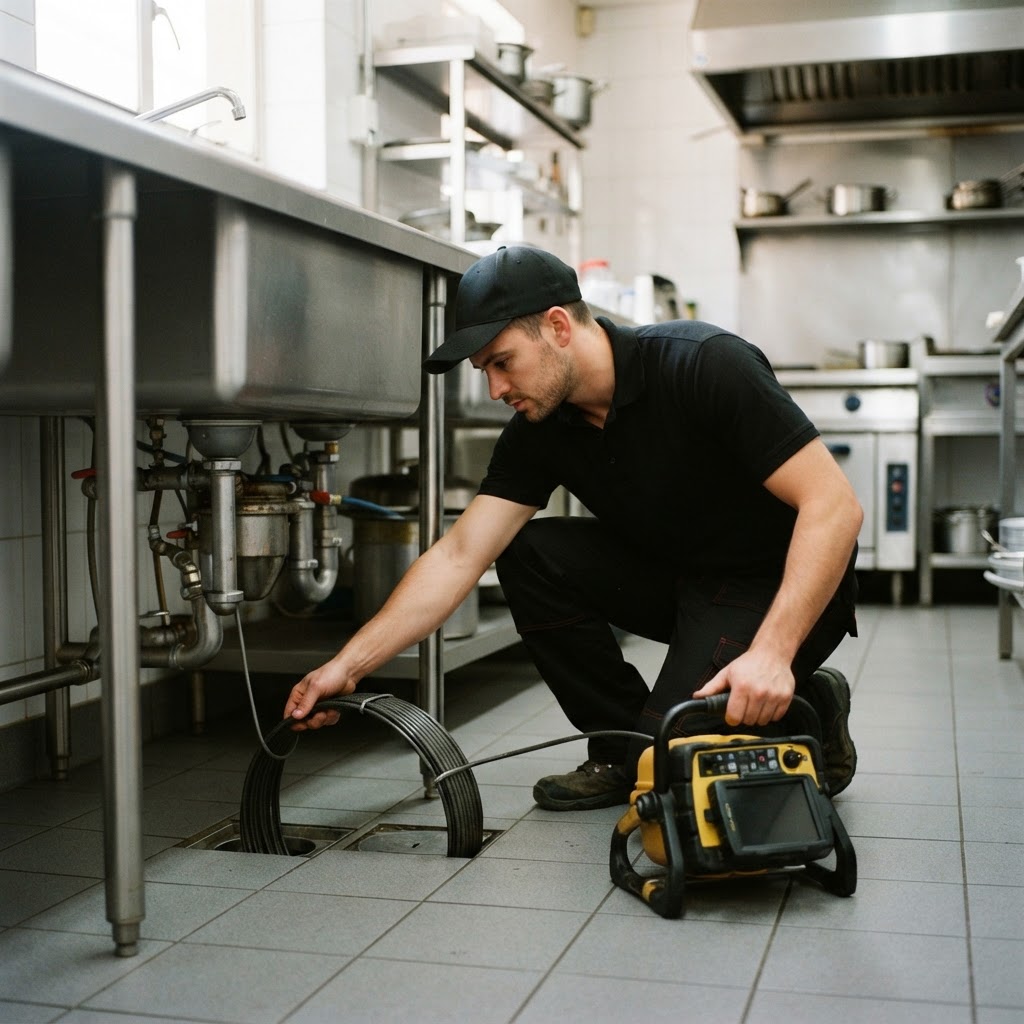
High-frequency kitchens in Johannesburg often suffer from rapid fat, oil, and grease (FOG) accumulation, which hardens within 110mm soil pipes and reduces flow efficiency. When these blockages occur, they frequently lead to stagnant water and the potential for vermin ingress, which violates local sanitation regulations. Many operators find that professional CCTV drain inspections are necessary to identify the exact location of pipe wall degradation or root intrusion before a complete failure occurs.
Corrosion in older galvanized steel supply lines represents another major hazard, as the interior diameter narrows over time, leading to significant pressure drops. According to guidelines set out by food safety regulation frameworks in South Africa, kitchens must maintain adequate pressure for sanitization processes. Failure to monitor the condition of these pipes can lead to burst lines, creating immediate disruption to dining operations.
| System Component | Common Failure Point | Standard Reference | Maintenance Interval |
|---|---|---|---|
| Grease Trap | Excessive FOG build-up | SANS 10252-1 | Weekly/Bi-weekly |
| Drainage Lines | Structural pipe fracture | SANS 10125 | Annual Assessment |
| Water Supply | Pressure drop < 200kPa | SANS 10254 | Quarterly Monitoring |
Best Practices for Routine Kitchen Maintenance
Routine maintenance tasks are the most effective way to prevent emergency call-outs. Daily cleaning of grease traps and catch basins stops solid waste from entering the municipal sewer system, which is a common cause of regulatory non-compliance. Operators should also conduct periodic checks on hot water systems, ensuring that thermostat calibration remains consistent for effective chemical disinfection of dishes and surfaces.
- Daily clearing of sink strainers to prevent large food particles from entering the trap.
- Weekly physical inspection of all accessible joints for slow leaks or weeping pipe connectors.
- Quarterly professional hydro-jetting to maintain the interior diameter of high-use effluent lines.
- Ensuring all staff understand the correct disposal protocols for cooking oils and fats.
The Importance of PIRB CoC Issuance for Compliance
A Certificate of Compliance (CoC) issued by the Plumbing Industry Registration Board (PIRB) acts as a legal record that your plumbing work meets national safety standards. For property managers overseeing multiple sites, having these documents is vital for insurance underwriting and property valuation. If you are operating properties across other regions, we often suggest that owners explore the reliable professional drain cleaning network available to help maintain consistent plumbing standards outside of the Sandton area.
The issuance of a CoC follows a rigorous inspection process where a registered plumber verifies that every aspect of the installation complies with current regulations. This accountability loop protects facility managers from liability should a major plumbing failure cause damage to the property or harm to staff. It serves as an audit trail that proves you have taken every necessary step to maintain a safe kitchen environment.
Key Takeaways
- Maintain a strict log of maintenance intervals to satisfy environmental health audits.
- Prioritize the regular cleaning of grease traps to prevent downstream pipe blockages.
- Verify that your plumbing contractor is registered with the PIRB to ensure valid certification.
- Use regular camera inspections to catch structural pipe degradation before it results in a service stoppage.
- Ensure all kitchen plumbing components align with the NSF/ANSI commercial sanitation standards for design and performance.
Conclusion
Proactive management of kitchen plumbing systems in Sandton is essential for long-term operational success and regulatory adherence. By focusing on preventative cleaning, regular system inspections, and maintaining valid documentation, managers can avoid the high costs associated with emergency repairs and facility closures. Engaging with qualified professionals ensures your kitchen infrastructure remains efficient and compliant with all national health standards.
FAQ
Why is a grease trap mandatory in a commercial kitchen? A grease trap is required to prevent fats, oils, and grease from entering the municipal wastewater system, which can cause severe blockages and environmental contamination. It functions by cooling effluent to allow fat to solidify and be skimmed off, protecting your facility from heavy municipal fines.
How often should I have my kitchen drains professionally cleaned? Professional cleaning should occur at least quarterly, depending on the volume of food processed in your kitchen. Consistent maintenance prevents the hardened buildup of organic material that eventually restricts pipe flow and compromises hygiene.
What is a PIRB CoC and why do I need it? The PIRB Certificate of Compliance is a legal document proving that plumbing work installed or repaired at your site meets all current SANS codes. You need this certificate for insurance purposes and to demonstrate due diligence during municipal health and safety inspections.
Can I use chemical drain cleaners to fix a slow sink in my restaurant? You should avoid chemical drain cleaners because they often damage older metal pipe joints and can cause chemical burns to staff or contaminate food preparation surfaces. A professional technician should always be called to clear a blockage mechanically or through high-pressure water jetting.